
If you’re working with this breed, you already know that success depends on understanding how they think and what motivates them. This guide breaks down the most effective strategies, common mistakes to avoid, and how to build the kind of deep, cooperative bond that makes training a pleasure rather than a chore.
Understanding the Core Challenge
Every dog — regardless of breed, age, or background — has a fundamental need for structure, stimulation, and connection. When these needs go unmet, behavior problems almost always follow. The dogs that are labeled “stubborn,” “dominant,” or “untrainable” are usually just dogs whose needs haven’t been properly understood or addressed.
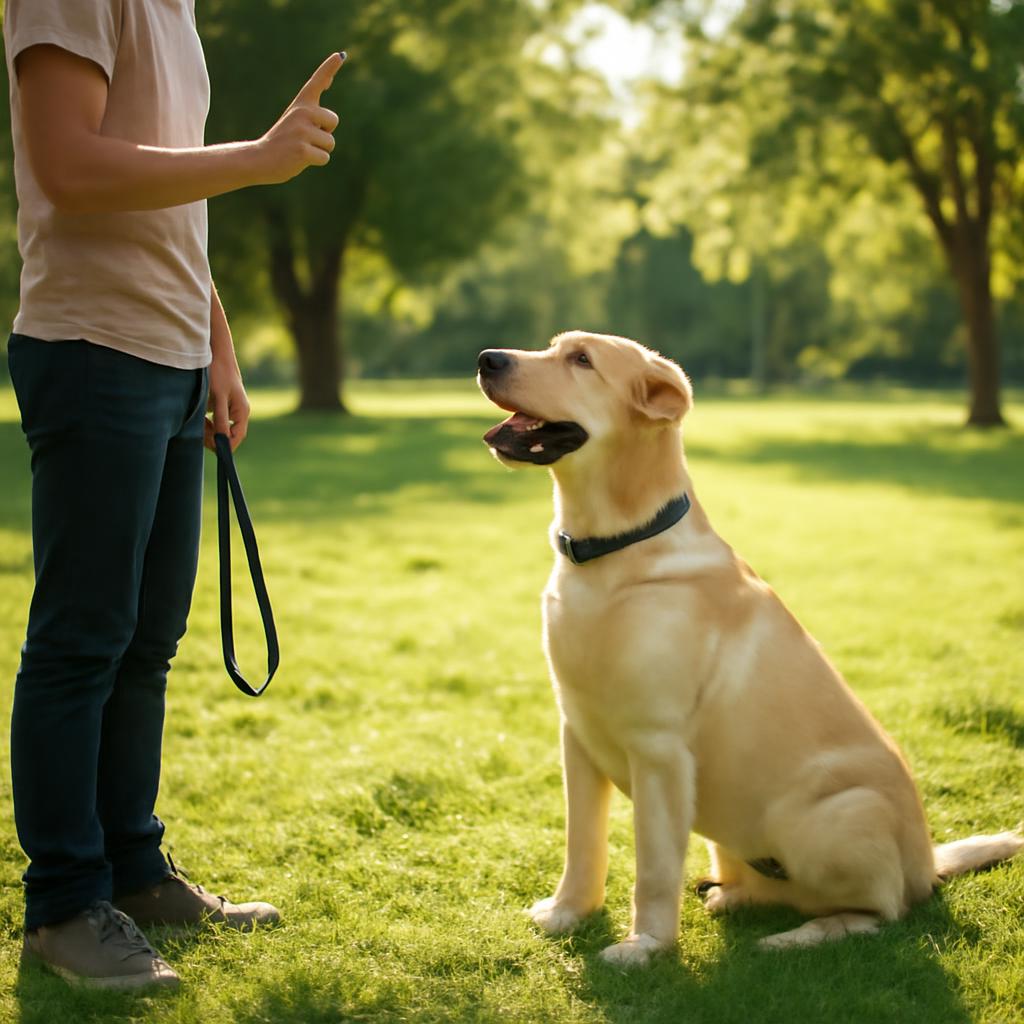
The Right Foundation: What to Establish First
Before any specific training can succeed, you need the right relationship foundation. Your dog needs to see you as a source of good things: food, play, safety, and fun. This doesn’t mean being a pushover — it means being predictable, fair, and generous with rewards when your dog gets it right.
- Set clear, consistent rules that everyone in the household follows
- Use high-value rewards (real chicken, cheese, or liver) for new or difficult skills
- Keep early sessions very short — 3 to 5 minutes maximum
- End every session on a success, even if you have to make it easy
- Train before meals when your dog is most motivated by food
Key Skills to Build
Regardless of your specific goal, every dog benefits from a solid foundation of basic skills. Sit, down, stay, come, and leave it aren’t just party tricks — they’re communication tools that make everyday life safer and more enjoyable. A dog who knows and reliably responds to these cues is a dog who can be given freedom, because they’ve demonstrated reliable self-control.
Once the basics are solid, you can layer in more advanced work. Many owners are surprised how much their dogs enjoy the challenge of learning new things. Brain games tap into your dog’s natural problem-solving drive and produce the kind of mental tiredness that results in calm, relaxed behavior at home. A 15-minute training session can be more effective at tiring a dog out than a 30-minute walk.
Common Mistakes and How to Avoid Them
The most common training mistake is inconsistency. If the rule is “no jumping,” it has to be the rule every single time — not most of the time. Dogs are pattern-seeking animals. They generalize from repeated experience. Every time an unwanted behavior is accidentally rewarded (even with attention or eye contact), it gets a little stronger.
The second most common mistake is training for too long. Dogs, especially young ones, have limited focus. After about 5 to 10 minutes, learning drops off sharply. Multiple short sessions spread throughout the day are dramatically more effective than one long marathon session.
Third: asking for behaviors in conditions that are too difficult. If your dog can sit reliably in the kitchen but ignores you at the park, that’s not disobedience — it’s a training gap. You need to proof behaviors gradually across different environments, distractions, and distances.
Mental Stimulation: The Missing Piece
Physical exercise is essential, but mental stimulation is just as important — and often harder for busy owners to provide. This is where structured training, puzzle toys, and enrichment games become invaluable. A dog who gets daily mental challenges is less likely to develop destructive habits, excessive barking, or anxiety.
If you want a structured way to add mental work to your routine, our Brain Training for Dogs review walks through an online program of 21 games, what it includes, where it falls short and who it suits.
You can also explore our collection of brain games for dogs for free ideas you can implement right now. Nose work, hide and seek, and trick training are all excellent starting points.
Building Long-Term Success
Training is not a one-time event — it’s an ongoing conversation between you and your dog. The most well-trained dogs in the world have owners who make training a daily habit, even if it’s just a few quick repetitions of familiar skills before meals. This keeps behaviors sharp and strengthens the bond between dog and owner over time.
Remember that every dog progresses at their own pace. Comparing your dog to someone else’s dog, or to where you expected them to be by now, is a recipe for frustration. Focus on progress from where you started, celebrate small wins, and trust the process.
Brain Training for Dogs
The most comprehensive brain training program for dogs we’ve reviewed. Designed to reduce boredom, bad behavior, and build a stronger bond — through science-backed mental stimulation games.
Check Brain Training for Dogs →Affiliate link — we may earn a commission at no extra cost to you. Full disclosure.
Want a structured approach? Read a structured program built by a CPDT-KA trainer — a 21-game force-free curriculum designed for everyday dog owners.
Disclosure: We may earn a commission if you purchase through links on this page. This does not affect our editorial assessment. See our affiliate disclosure.